
The UW Speech and Hearing Clinic provides comprehensive speech-language services for children and adults across the lifespan. We work with individuals and families to evaluate and treat a wide range of communication and swallowing concerns, supporting meaningful participation in everyday life.
We are committed to providing personalized, evidence-based care that supports communication, participation, and quality of life. Services are provided by graduate student clinicians under the supervision of licensed and certified speech-language pathologists, combining expert care with advanced clinical training.
Many of our services include coaching for parents, caregivers, and communication partners to support communication.
Speech and Language Development
Stroke, Brain Injury, and Concussion
Voice and Swallowing
Augmentative & Alternative Communication (AAC)
Accent and Communication Support, Hearing and Stuttering
Speech and Language Care Team
Have a question?
(608) 262-3951
clinic@csd.wisc.edu
Speech and Language Development
Early Intervention
Support for infants, toddlers, and preschool-aged children to build communication, play, and early language skills through individualized, family-centered services.
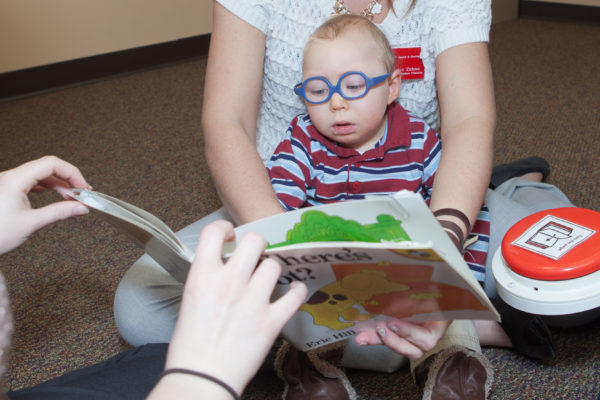
Language, Learning, and Literacy Difficulties
Evaluation and support for language, learning, reading, and writing challenges that impact communication and academic success.

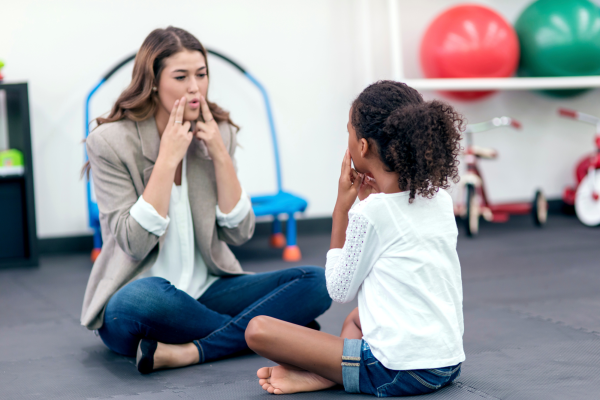
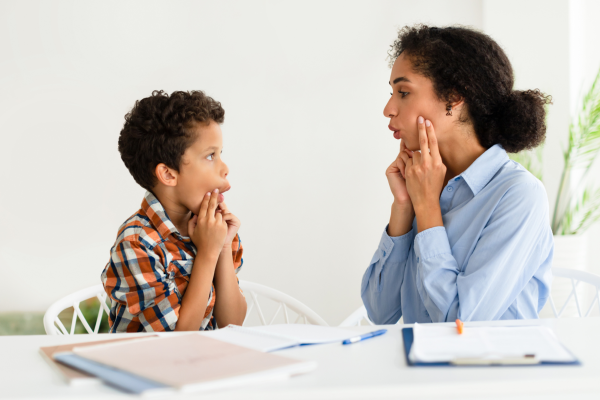
Speech Sound Production
Therapy to help children and adolescents improve speech clarity and confidence in everyday communication.
Stroke, Brain Injury, and Concussion
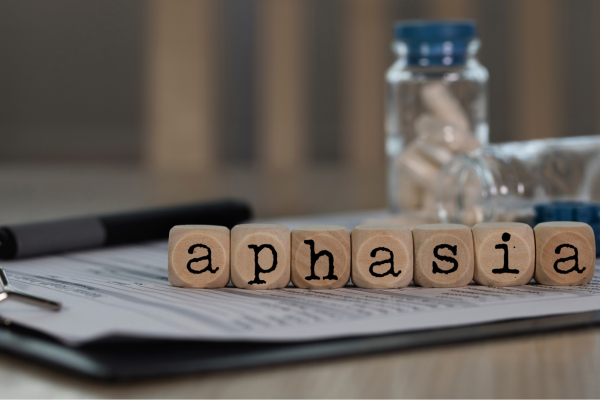
Aphasia
Evaluation and treatment for communication changes related to stroke or neurological injury affecting speaking, understanding, reading, or writing.
Cognitive Communication Disorders
Support for communication difficulties related to memory, attention, organization, problem-solving, and other thinking skills.
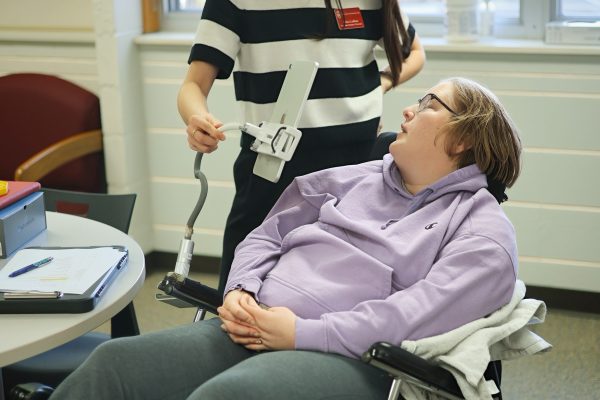
Communication Partner Training
Coaching for family members, caregivers, and communication partners to strengthen everyday communication and connection.

Concussion/Mild Traumatic Brain Injury
Evaluation and support for communication and cognitive symptoms following concussion or mild traumatic brain injury.
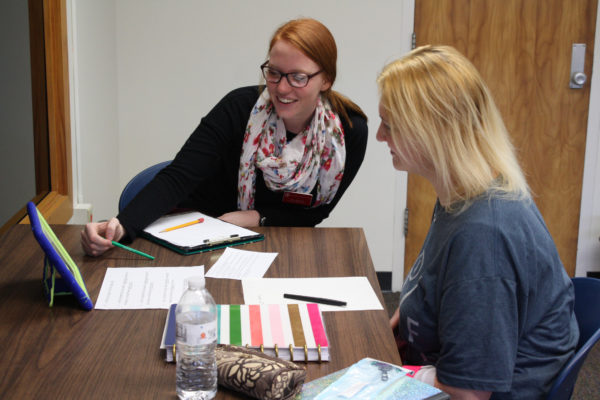
Voice and Swallowing
Adult Feeding and Swallowing Services
Evaluation and treatment for swallowing difficulties that affect eating, drinking, and participation in daily life.
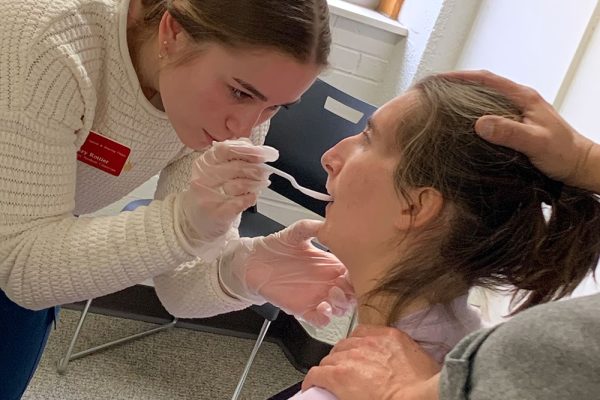
Pediatric Feeding and Swallowing Services
Family-centered support for infants and children with feeding, swallowing, or mealtime challenges.
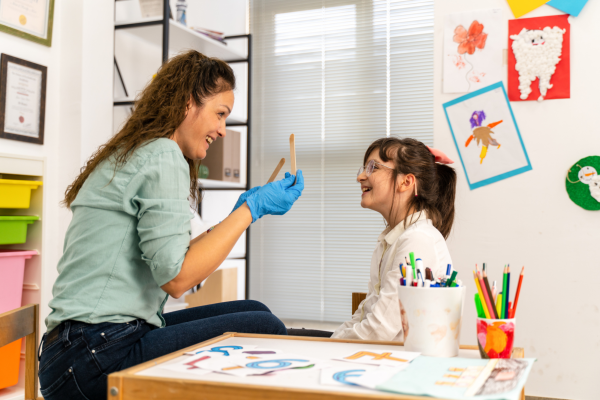
Gender Affirming Voice and Communication Services
Collaborative voice and communication support tailored to an individual’s identity, preferences, and goals.
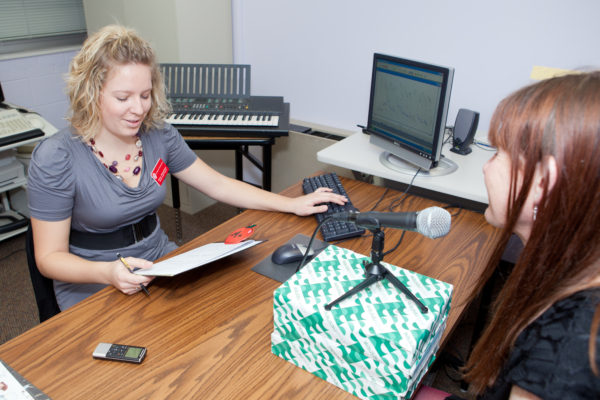
Professional and Performing Voice
Support for voice health, endurance, and performance for individuals who rely heavily on their voice or have voice concerns.
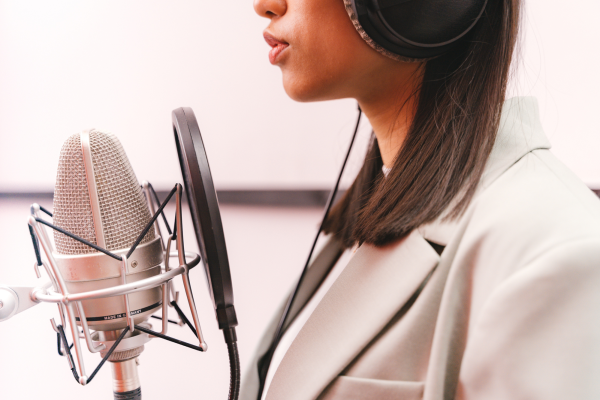
Voice Support
Evaluation and therapy for voice changes such as hoarseness, strain, vocal fatigue, or changes in voice quality.
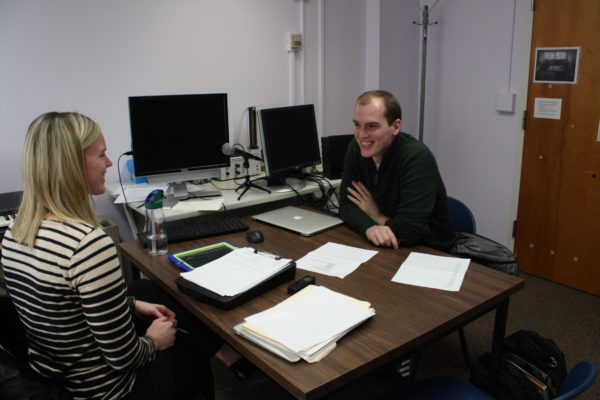
Augmentative and Alternative Communication (AAC)
Augmentative and Alternative Communication (AAC)
Evaluation and support for communication systems, devices, and strategies that supplement or replace spoken language.
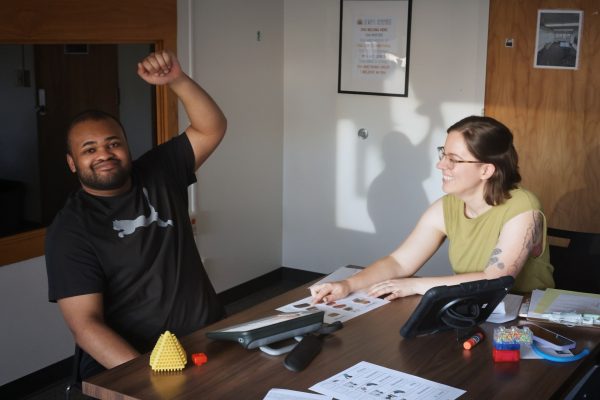
Voice Preservation and Banking
Support for preserving and preparing communication options for individuals who may experience future voice loss.
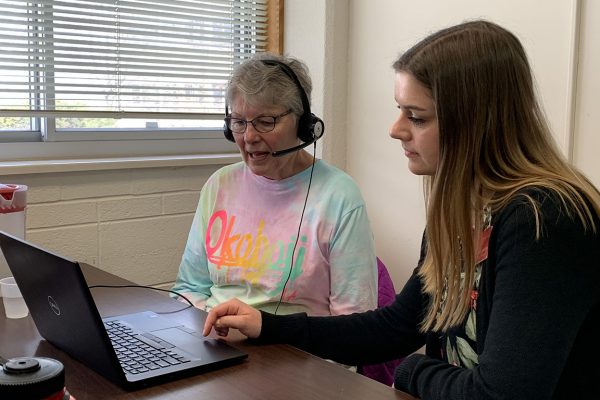
Accent and Communication Support, Hearing, and Stuttering
Accent and Communication Support
Individualized support to strengthen communication clarity, confidence, and effectiveness across settings.

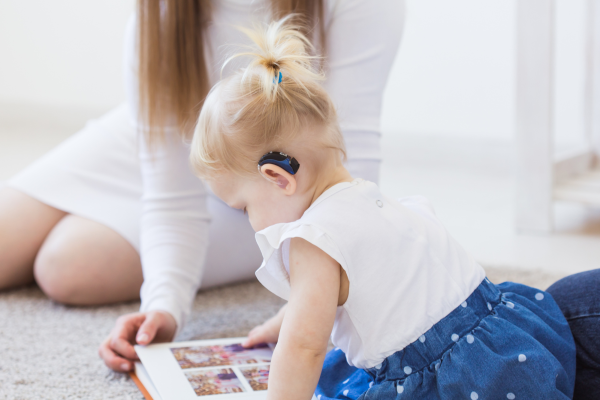
Hearing
Support for listening, spoken communication, and communication strategies related to hearing differences.
Stuttering
Support for children, adolescents, and adults who stutter, focused on communication confidence and individualized goals.
Speech and Language Care Team

Kathryn Basco, M.A., CCC-SLP
Position title: Clinical Associate Professor, Speech-Language Pathologist

Maia Braden, M.S., CCC-SLP
Position title: Clinical Associate Professor, Speech-Language Pathologist

Kimberly Caul, M.S., CCC-SLP
Position title: Clinical Associate Professor, Speech-Language Pathologist

Elizabeth Delsandro, M.S., CCC-SLP
Position title: Clinical Associate Professor, Speech-Language Pathologist


Kristin Murphey, M.S., CCC-SLP
Position title: Clinical Associate Professor, Speech-Language Pathologist

Courtney Seidel, M.S., CCC-SLP
Position title: Clinical Associate Professor, Speech-Language Pathologist