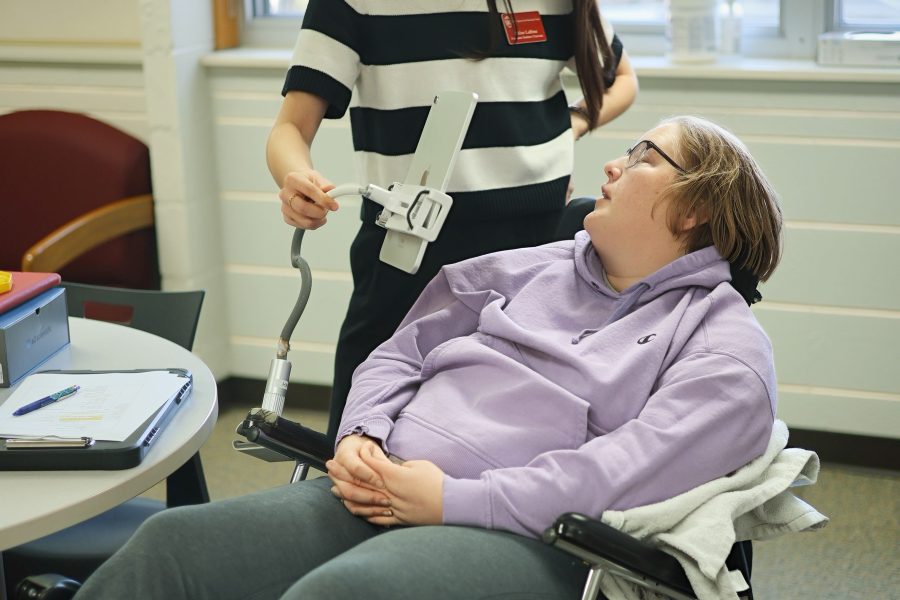
Cognitive-communication disorders affect how a person thinks, communicates, and manages everyday tasks. These changes can occur after a brain injury, stroke, concussion, or neurological condition and may impact skills such as attention, memory, organization, problem-solving, and social communication.
The UW Speech and Hearing Clinic provides evaluation and treatment to help individuals improve communication and thinking skills for daily life, work, school, and social interactions.
What We Offer
Services are individualized and may include:
- Strategies to improve attention, memory, and organization
- Support for problem-solving and executive functioning
- Assistance with planning, time management, and task completion
- Communication strategies for conversations, group settings, and workplace interactions
- Practice with real-life activities and routines
Our Approach
We use a person-centered, functional approach that focuses on goals meaningful to each individual. Therapy emphasizes practical strategies that support success in everyday environments and promote independence and confidence.
Who May Benefit
Cognitive-communication services may be helpful for individuals who:
- Have experienced a concussion, brain injury, or stroke
- Notice changes in memory, attention, or thinking skills
- Have difficulty organizing tasks or managing daily routines
- Experience challenges with communication in social, academic, or work settings